Audits, Tests, Survey for Preventive Maintenance to Assess the Life of Machinery, to maintain
quality standards in Original Equipment Manufacturing and also to ensure compliance with the
Safety Standards & Guide Lines.
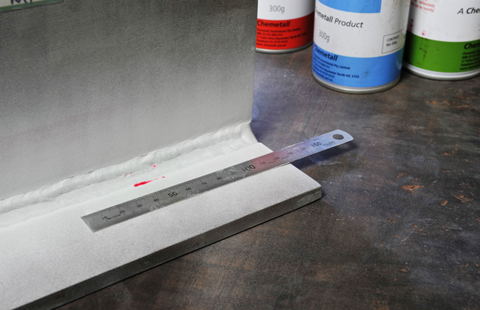
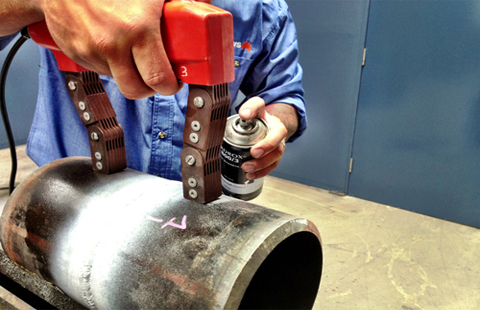
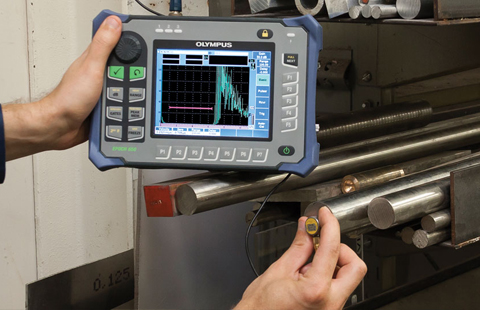
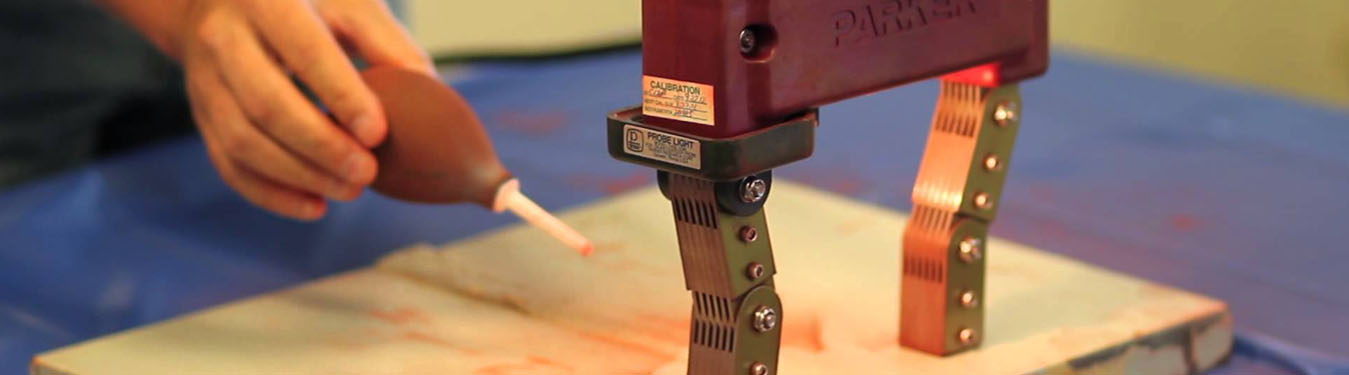
NDT plays a crucial role in industry and is necessary to assure safety and reliability. Typical examples are found in planes, ships, vehicles, pipelines, bridges, trains, power stations, refineries, buildings and oil platforms which are all inspected using NDT. Non-destructive testing can be applied to each stage of an item's construction. The materials and weldments can be examined using NDT and either accepted, rejected or repaired. NDT techniques can then be used to monitor the integrity of the item or structure throughout it's design life.
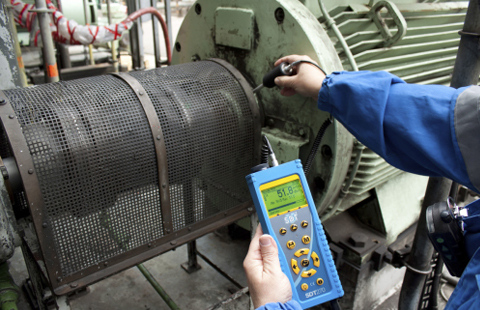
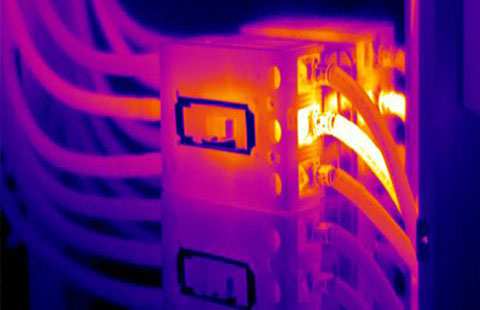
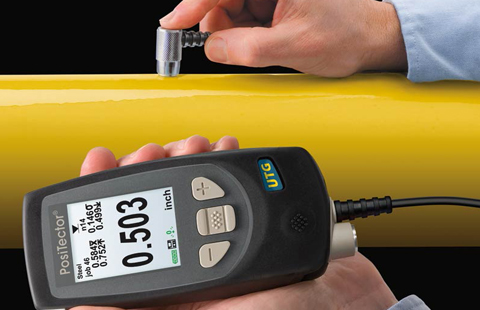
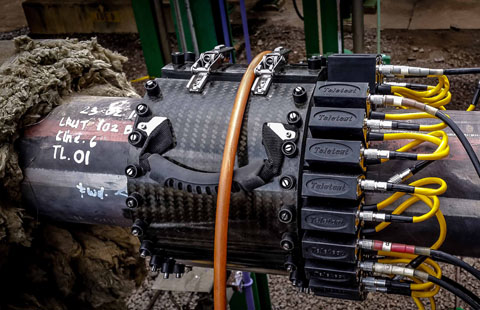
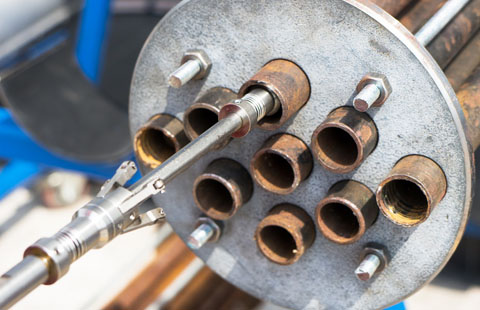
Condition monitoring techniques in each of the ways outlined above, improve equipment reliability through the effective prediction (and then avoidance) of equipment failures to extract maximum profits from the minimum investment in plant and equipment. It could benefit by minimizing downtime through the integrated planning and scheduling of repairs based on the observations, by maximizing component life by avoiding the conditions that reduce equipment life (for example, by ensuring ongoing precision alignment, minimal lubricant contamination etc.) and by utilizing techniques to maximize equipment performance and throughput.
Asset Integrity Management (AIM) is a systematic approach used by industries to ensure physical assets perform safely, efficiently, and reliably throughout their entire lifecycle from design and operation to decommissioning. It prevents unexpected equipment failure, reduces downtime, and maintains strict compliance with environmental and safety regulations.